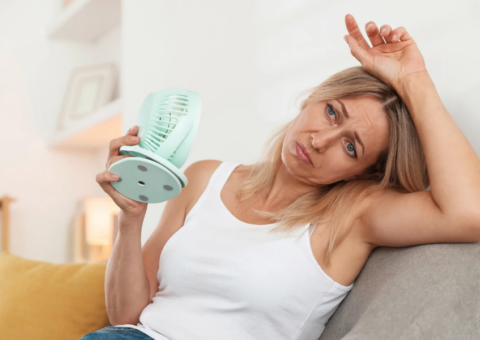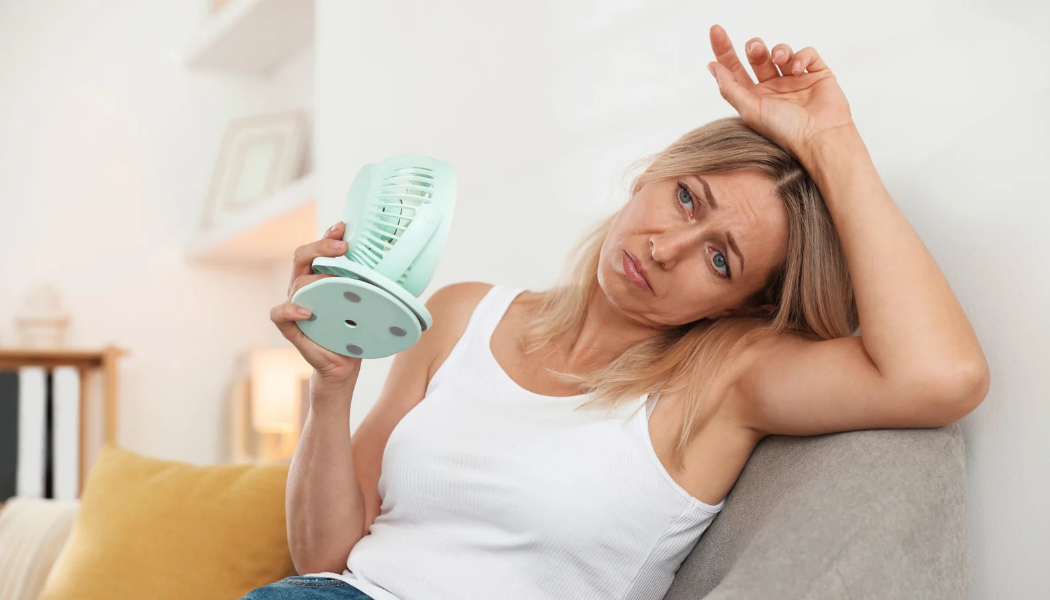
Hot flashes. Night sweats. Brain fog. Low energy. Mood changes. Poor sleep. Changes in libido.
If menopause has left you feeling unlike yourself, you’re not alone. Hormonal changes during perimenopause and menopause can affect nearly every aspect of how you feel and function.
For women looking for menopause symptom relief, HRT pellets have become an increasingly discussed option for hormone replacement therapy.
But what are hormone pellets, how do they work, and could they be right for you?
What Happens to Your Hormones During Menopause?
Menopause is a natural stage of life that occurs when menstrual periods permanently stop. The years leading up to menopause, known as perimenopause, can bring significant fluctuations in hormone levels.
As estrogen and other hormones change, you may notice symptoms that seem to appear out of nowhere.
Common menopause symptoms include:
-
Hot flashes and night sweats
-
Difficulty sleeping
-
Brain fog and trouble concentrating
-
Mood changes and irritability
-
Fatigue and low energy
-
Vaginal dryness
-
Changes in sexual desire
-
Changes in body composition
-
Irregular periods during perimenopause
-
Decreased sense of overall well-being
While menopause is a natural process, struggling with disruptive symptoms doesn’t have to be something you simply accept.

What Are HRT Pellets?
Hormone replacement therapy pellets, commonly called HRT pellets, are small implants placed beneath the skin. Depending on the individual’s treatment plan, pellets may contain hormones such as estradiol or testosterone.
The pellet is designed to release hormone gradually over time.
Because every woman experiences menopause differently, hormone therapy should be personalized. A healthcare professional may consider your symptoms, medical history, risk factors, hormone therapy goals, and other individual factors when determining whether HRT pellets are appropriate.
How Do HRT Pellets Work?
HRT pellets are placed beneath the skin, typically in an area such as the hip or upper buttock.
Once inserted, the pellet gradually releases hormone into the body over time. The goal is to provide a consistent hormone delivery rather than requiring frequent administration.
Before beginning treatment, your healthcare provider should discuss:
-
Your current menopause symptoms
-
Your health and medical history
-
Your treatment goals
-
Potential benefits and risks
-
Appropriate hormone dosing
-
Follow-up and monitoring
The objective isn’t simply to chase a particular hormone number. Effective menopause care looks at the whole person and how symptoms are affecting quality of life.
Can HRT Pellets Help With Menopause Symptoms?
Hormone therapy can be an effective treatment for certain menopause symptoms, particularly hot flashes and night sweats.
Depending on the individual and the type of therapy, hormone treatment may also help address other symptoms associated with menopause.
Women considering HRT pellets commonly ask about symptoms such as:
Hot Flashes
Sudden feelings of intense heat are among the most recognizable symptoms of menopause. For women experiencing frequent or disruptive hot flashes, hormone therapy may provide significant symptom relief.
Night Sweats and Sleep
Night sweats can interrupt sleep and leave you feeling exhausted the next day. Addressing menopause-related vasomotor symptoms may help reduce sleep disruption for some women.
Brain Fog
Difficulty concentrating or remembering things can be frustrating during perimenopause and menopause. Hormonal changes, poor sleep, stress, and other factors can all contribute to cognitive complaints.
Energy and Well-Being
Hormonal changes can coincide with fatigue and changes in overall well-being. If you’re experiencing persistent fatigue, it’s important to discuss it with a healthcare professional rather than automatically assuming menopause is the only cause.
Sexual Health
Changes in estrogen and testosterone can affect sexual health and desire. Testosterone therapy may be considered in specific circumstances, particularly for appropriately evaluated postmenopausal women with hypoactive sexual desire disorder (HSDD).
Are HRT Pellets Safe?
Safety is an important part of any conversation about hormone replacement therapy.
HRT can provide meaningful benefits for appropriately selected patients, but hormone therapy also carries potential risks. Those risks depend on factors including the type of hormone, dose, duration of treatment, age, timing relative to menopause, and individual health history.
With pellets specifically, one consideration is that once the pellet has been inserted, the dose cannot simply be stopped or removed if side effects occur.
That’s why proper evaluation, individualized dosing, and appropriate follow-up are important components of pellet therapy.
Who May Be a Candidate for HRT Pellets?
HRT pellets may be considered for certain women experiencing bothersome menopause symptoms.
Your healthcare provider may evaluate:
-
Your age and menopause status
-
Your symptoms and how they affect your daily life
-
Your personal medical history
-
Your family history
-
Cardiovascular risk factors
-
History of blood clots
-
Breast or endometrial cancer history
-
Liver health
-
Current medications
-
Your individual treatment goals
There is no one-size-fits-all approach to menopause care.
What About Testosterone Pellets for Women?
Testosterone is sometimes used as part of hormone pellet therapy.
However, testosterone isn’t appropriate for every woman or every menopause symptom. Current evidence supports testosterone therapy in specific circumstances, particularly appropriately diagnosed HSDD in certain postmenopausal women.
Testosterone therapy can also cause side effects if levels become too high. That’s why appropriate patient selection, dosing, and monitoring matter.

What Should You Ask Before Starting HRT Pellets?
If you’re considering hormone pellets for menopause, come prepared with questions.
Ask your healthcare provider:
-
Are my symptoms consistent with menopause?
-
Could HRT pellets be appropriate for me?
-
What hormones would be included in my treatment?
-
How will my dose be determined?
-
What benefits should I realistically expect?
-
What are the potential risks and side effects?
-
How often will I need follow-up?
-
What happens if I experience side effects?
-
How will my treatment be monitored over time?
A thorough consultation can help you make an informed decision about your menopause care.
Don’t Just Push Through Menopause
Menopause is a natural part of aging—but living with symptoms that interfere with your sleep, relationships, work, confidence, or quality of life doesn’t mean you have to suffer in silence.
HRT pellets may be an option for some women seeking hormone replacement therapy during menopause.
The most important first step is understanding what’s happening in your body and having an individualized conversation with a qualified healthcare professional.
You deserve to feel heard, informed, and supported through every stage of menopause.
Frequently Asked Questions About HRT Pellets
What are HRT pellets?
HRT pellets are small hormone implants placed beneath the skin that gradually release hormones over time. Depending on the treatment plan, they may contain hormones such as estradiol or testosterone.
How long do HRT pellets last?
The duration can vary based on the individual, hormone, dose, and treatment protocol. Your healthcare provider can explain how long your specific pellet is expected to last and when follow-up may be needed.
Do HRT pellets help with hot flashes?
Hormone therapy can effectively treat menopausal hot flashes and night sweats in appropriate patients. Whether HRT pellets are suitable depends on your individual health history and treatment goals.
Can HRT pellets help with low libido?
Low libido can have multiple causes. Testosterone therapy may be considered for certain postmenopausal women with appropriately diagnosed HSDD, but it isn’t a universal treatment for low sexual desire.
Are HRT pellets right for everyone?
No. Hormone therapy isn’t appropriate for everyone. Your healthcare provider should review your medical history, symptoms, risk factors, and treatment goals before recommending HRT pellets.
When should I talk to a healthcare provider about menopause?
Consider talking with a healthcare professional if menopause or perimenopause symptoms are interfering with your sleep, work, relationships, sexual health, or overall quality of life.
Menopause doesn’t have to mean feeling like a different version of yourself. Understanding your options is the first step toward finding a personalized approach to feeling better.