PDGF (ReJuveFactor PDGF+) is a standardized, hyaluronic acid enriched growth factor formula that needs no blood draw, while PRF is made from your own blood and delivered as a denser EZ Gel. PDGF usually takes 2 to 3 sessions spaced 8 to 12 weeks apart with results lasting 6 to 12 months; PRF takes 3 sessions spaced 6 to 8 weeks apart with results lasting 12 to 18 months.
Short version: Choose PDGF for consistency, hydration, and hair support without a blood draw; choose PRF for under-eye hollows and volume when you want your own biology and a longer runway between visits.
If you’ve been quoted PRP at one clinic, PRF at another, and PDGF somewhere else, you’ve already noticed that regenerative skin treatments are moving fast. The names overlap, the marketing sounds similar, and the differences actually matter once you’re sitting in a treatment chair. At Skin Rejuvenation Clinic in Edina, the two regenerative options we offer are PDGF treatment and PRF treatment. Here’s what each one does, how they compare, and how to think about which one fits.
What Is PDGF Treatment?
PDGF stands for platelet-derived growth factor, a naturally occurring protein in the body that drives tissue regeneration, cell renewal, and collagen production. At Skin Rejuvenation Clinic, the PDGF treatment we offer is ReJuveFactor PDGF+, a next-generation regenerative formula engineered to deliver these growth factors at a far higher concentration than the body produces on its own.
What sets this treatment apart is the consistency of the formula. Because it isn’t pulled from your own blood, every dose is standardized. ReJuveFactor PDGF carries a concentration of platelet-derived growth factors up to 300,000 times greater than other popular products on the market, and the formula is enriched with hyaluronic acid for added hydration and barrier support. There is no blood drawn, no centrifuge, no waiting on processing.
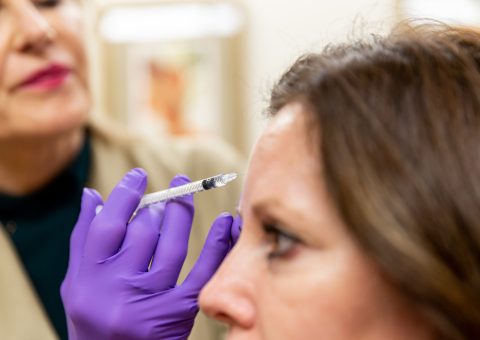
PDGF treatment is used for both skin rejuvenation and hair restoration. On the face, it stimulates collagen and elastin to soften fine lines, even out skin tone, and brings back glow to dull, tired skin. On the scalp, it activates dormant follicles and supports thicker, fuller hair. Most patients complete two to three sessions spaced 8 to 12 weeks apart, with results that typically last 6 to 12 months and continue improving as collagen rebuilds in the months that follow.
What Is PRF Treatment?
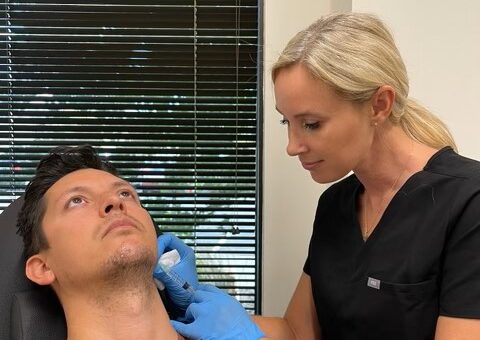
PRF stands for platelet-rich fibrin. PRF treatment uses your own blood, drawn in a single vial much like a routine blood test, then spun in a centrifuge without an anticoagulant. That last detail is what makes PRF different. Without the anticoagulant, the platelets and white blood cells form a thicker, fibrin-rich matrix that holds growth factors in place and releases them slowly into the tissue over several days rather than all at once.
At Skin Rejuvenation Clinic, our PRF treatment uses EZ Gel technology to deliver this matrix in a more concentrated, gel-like form that works especially well for under-eye hollowing, jawline contouring, fine lines, and volume loss. Because PRF is sourced entirely from your own body, the risk of an allergic reaction is minimal, and the results integrate with your tissue in a way synthetic products can’t replicate.
PRF EZ Gel is versatile. It can address thinning hair, acne scarring, loose or crepey skin, décolletage rejuvenation, hand aging, and tear troughs, among other concerns. Most patients see best results after a series of three sessions spaced 6 to 8 weeks apart, with maintenance every 6 to 12 months. Results typically last 12 to 18 months.
Where Does PRP Fit Into This Conversation?
Anyone researching platelet therapies has probably come across PRP, or platelet rich plasma. PRP was the original generation of platelet-based treatment and has a long, well-established record of accomplishment in sports medicine, orthopedics, and aesthetic dermatology. It has helped many patients over the years, and it is still offered widely across the industry.
Platelet rich fibrin came next, developed as a refinement of PRP. The key change was removing the anticoagulant during processing, which produces a denser fibrin matrix and a slower, more sustained release of growth factors. PRP vs PRF essentially comes down to that distinction: similar starting material, different end product, with PRF offering longer-lasting effects in the tissue.
PDGF, and specifically ReJuveFactor, represents the next step forward. The growth factor concentration is standardized rather than dependent on your blood that day; no draw is required, and the formula is enriched with hyaluronic acid for added hydration. Skin Rejuvenation Clinic offers PRF and PDGF because they reflect where regenerative aesthetics has moved.
How Do PDGF and PRF Compare?
Both treatments stimulate the same underlying biology, including collagen production, cellular turnover, and tissue regeneration, but the path each takes is different. Here is how PDGF and PRF compare side by side.
| Factor | PDGF (ReJuveFactor) | PRF (with EZ Gel) |
| Source | Standardized bioidentical formula | Drawn from your own blood |
| Blood Draw | Not required | Required, single vial |
| Growth Factor Concentration | Up to 300,000x higher than common alternatives | Determined by your own platelet count |
| Hyaluronic Acid | Included in formula | Not included |
| Treatment Series | 2 to 3 sessions, 8 to 12 weeks apart | 3 sessions, 6 to 8 weeks apart |
| Results Duration | 6 to 12 months | 12 to 18 months |
| Ideal Candidate | Patients prioritizing consistency, hydration, and no blood draw | Patients who prefer working with their own biology, especially under the eyes |
| Downtime | Minimal, mild redness or swelling | Minimal, mild swelling or bruising |
Which Treatment Is Right for You?
The cleanest way to think about this is by patient archetype rather than by feature list.
PRF treatment tends to be the right call for the patient who has noticed under-eye hollows getting harder to conceal but isn’t ready for filler. The body’s own platelets, delivered as a fibrin-rich gel, integrate naturally in that thin, delicate skin where synthetic products can look obvious. It’s also a strong fit for patients who specifically want a treatment derived from their own biology and aren’t bothered by a quick blood draw, or for anyone working through volume loss along the cheeks, jawline, or temples who wants a longer runway between maintenance visits. Find out more here if PRF treatment is right for you.
PDGF treatment is often the better choice for the patient already several months into a hair restoration protocol who wants a higher-potency option without another blood draw at every appointment. The standardized concentration means each session delivers the same dose, which matters when you’re compounding results over time. It also tends to be the cleaner pick for patients with busy schedules who want a fast in-and-out visit, and for skin that’s looking dull, dehydrated, or starting to lose its bounce, where the hyaluronic acid built into the formula adds something PRF doesn’t carry.
Most patients at Skin Rejuvenation Clinic don’t choose between these in isolation. They layer regenerative treatments with energy-based modalities like Halo laser, Genius RF microneedling, or Moxi to address tone, texture, and laxity at the same time. A consultation is where the actual plan gets built around your skin, your goals, and your timeline.
What Should You Expect at a PDGF or PRF Appointment?
Every PRF and PDGF protocol at our Edina clinic is performed by our medical team, with treatment plans built around your specific skin, age, and goals rather than a one-size template. The clinic has been serving the Twin Cities for over two decades, and that tenure shows up in how the protocols are sequenced and dialed in for each patient. Sessions are quick. Lidocaine is used for comfort, and most patients leave the clinic and head straight back to their day. Mild swelling, redness, or tenderness can occur for a few days but resolves on its own.
Both treatments work hardest as part of a broader skin and hair strategy. Sun protection, hydration, a quality skincare routine, and consistent follow-up will extend your results well beyond the initial series. Avoiding NSAIDs, fish oil, and other blood-thinning supplements in the days before your appointment can also reduce bruising and support a cleaner outcome.
A few health factors can shape which option makes more sense. Because PRF relies on the quality of your own platelets, it may be less predictable for patients with low platelet counts, certain blood disorders, or those taking blood-thinning medication, and PDGF, which does not depend on your blood, may be worth discussing instead. Treatment is generally postponed if there is an active skin infection or cold sore flare in the area, and aesthetic injectables are usually deferred during pregnancy and breastfeeding. Share your full medical history at the consultation so the plan fits your health, not just your goals.
Schedule Your Consultation in Edina
Both options sit on the same treatment menu at our Edina clinic for a reason. They each have a place, and the right one isn’t a guess; it’s a conversation. Book a consultation and we’ll walk you through what your skin actually needs and which protocol gets you there.
References
- Andrae J et al. Role of platelet-derived growth factors in physiology and medicine. Genes and Development, 2008.
- Miron RJ et al. Platelet-Rich Fibrin and Soft Tissue Wound Healing: A Systematic Review. Tissue Engineering Part B: Reviews, 2017.
- Hassan H et al. Injectable platelet-rich fibrin for facial rejuvenation: A prospective, single-center study. Journal of Cosmetic Dermatology, 2020.