TL;DR: PDO threading vs dermal fillers is the question most patients ask when they want to address sagging skin, lost facial structure, or both. The short answer: dermal fillers restore volume; PDO threading delivers lift and stimulates collagen. They are not in direct competition. They are two different tools for two different problems, and many of our patients in Edina use them together for a more complete result. PDO threading uses dissolvable threads to physically lift tissue and trigger collagen production over time. Dermal fillers add immediate, controlled volume to areas that have lost it. The right choice depends on whether your face has dropped, deflated, or both.
How PDO Threading and Dermal Fillers Actually Work
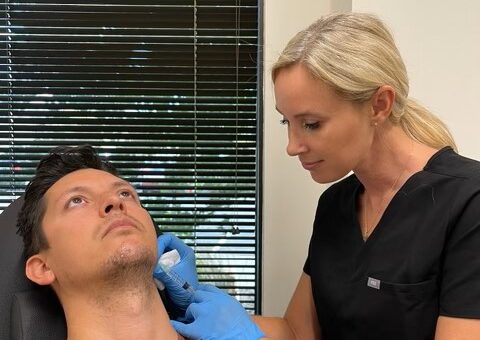
Our PDO threading treatment uses biodegradable Polydioxanone sutures placed beneath the skin to reposition tissue and stimulate new collagen growth. The threads themselves dissolve over four to six months, but the lift and collagen response continue working long after that. The procedure addresses sagging in the cheeks, jawline, neck, brows, nasolabial folds, and marionette lines without the recovery time of surgery.
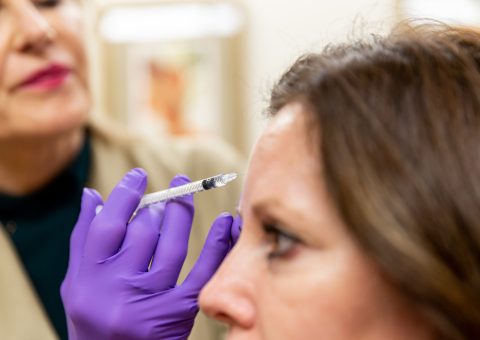
Dermal fillers work on a different mechanism. Most fillers use hyaluronic acid, a substance the body produces naturally, to add volume where it has been lost. Fillers can rebuild cheekbones, soften smile lines, plump lips, and restore the youthful contour of the midface. Some other filler options, like Bellafill and Sculptra, stimulate collagen as well, but the primary purpose of fillers is volume restoration in real time.
While both treatments can support collagen production, they do so differently. PDO threads are specifically designed to trigger the body’s natural healing response, encouraging new collagen to form around each thread as it dissolves. Hyaluronic acid fillers primarily restore lost volume, although certain filler products may also stimulate collagen over time. This difference is one reason PDO threading is often chosen for patients whose primary concern is skin laxity rather than facial deflation.
One additional difference is that most hyaluronic acid fillers can be dissolved if adjustments are needed, while PDO threads naturally dissolve on their own over several months and are not typically removed after placement.
The simplest way to understand the difference: fillers fill, threads lift. A face that has lost cheek volume looks deflated and may benefit from filler. A face that has held its volume but started to drift downward looks heavy and may benefit from threads. Most faces over time experience some of both.
Where Each Treatment Wins
PDO threading is the stronger option when the underlying concern is gravitational. If you have begun to see jowls forming, a softer jawline than you had five years ago, or a brow that sits lower than it used to, threading addresses that vertical drift in a way fillers cannot. Threads physically pull tissue back into position and hold it there while collagen rebuilds underneath.
Dermal fillers are the stronger option when the concern is volume loss. Hollow temples, flattened cheeks, deep nasolabial folds, and thin lips all respond beautifully to filler because the problem is structural emptiness. Filler is also the better choice when you want immediate, predictable change to a specific area, since results are visible the moment you leave the chair.
Many patients are surprised to learn that facial aging is rarely caused by a single issue. Volume loss, collagen depletion, and tissue descent often occur together, which is why combining treatments frequently produces the most balanced and natural-looking outcome.
PDO Threading vs Dermal Fillers Side-by-Side
| Feature | PDO Threading | Dermal Fillers |
|---|---|---|
| Primary Purpose | Lift, tighten, and stimulate collagen production | Restore lost volume |
| Material | Dissolvable PDO (polydioxanone) sutures | Hyaluronic acid (most fillers) or longer-lasting alternatives |
| Best For | Jowls, sagging jawline, neck laxity, brow drop, marionette lines | Cheek volume loss, lips, hollow temples, nasolabial folds, under-eye hollows |
| Results Timeline | Immediate lift with collagen-building results developing over weeks to months | Immediate volume with final results settling within 1 to 2 weeks |
| How Long Results Last | Approximately 12 to 18 months, depending on age, skin quality, collagen response, and lifestyle | Approximately 6 to 18 months, depending on filler type and individual metabolism |
| Treatment Time | 30 to 60 minutes | 15 to 45 minutes per treatment area |
| Downtime | Mild bruising, swelling, and possible tightness for up to 2 weeks | Mild bruising and swelling for a few days |
| Ideal Candidate | Patients in their 30s to 60s with mild to moderate skin laxity | Patients of various ages with volume loss or contour concerns |
| Combines Well With | Dermal fillers, microneedling, Ultherapy, laser resurfacing | PDO threading, neurotoxins, laser treatments, and medical-grade skincare |
Choosing Based on the Concern You Want to Address
The clearest way to know which treatment fits is to look in the mirror and ask one question: is the issue that something has dropped, or that something has emptied? If your jawline blurs into your neck, threads are your answer. If your cheeks look flatter than they used to, fillers are your answer. If both have happened, you are likely a candidate for a combination plan.
A few common scenarios we see at our Edina clinic:
- Patient in her early forties noticing soft jowls and a less defined jawline but with full cheeks: PDO threading alone often delivers what she is looking for
- Patient in her thirties or forties with flat cheeks and thin lips but no real sagging: dermal fillers in the midface and lips address the concern fully
- Patient in her fifties with both volume loss and downward drift: a combined plan starting with filler to rebuild structure, followed by threading to lift the repositioned tissue
- Patient in her late twenties or thirties wanting preventive support: filler in conservative amounts to maintain structure, with threading considered later as the face begins to drop
- Patient who has used filler for years and is starting to see weight or heaviness in the face: threading to lift and reposition, with a thoughtful filler review
This is exactly why a consultation matters more than a one-size-fits-all comparison guide. The right answer is not always the same answer.
When Combining Both Makes the Most Sense
Some of the most natural-looking results we see at Skin Rejuvenation Clinic come from patients who use threads and filler together. The logic is straightforward. Filler creates the structural foundation, restoring the volume the face has lost over time. Threading then repositions and supports that restored structure, holding it where it belongs. Without the foundation, threads can lift a face that still looks deflated. Without the lift, fillers can sit lower than they should and read as heaviness instead of refinement.
The goal is never to simply add more filler. Instead, our providers restore only the volume that has been lost, then use PDO threading to reposition tissue, so facial contours look refreshed rather than overfilled. When combined thoughtfully, the result is a face that looks rested, lifted, and proportionally balanced, not overdone in any one direction. Our team builds these combination plans frequently, and the order, timing, and product selection all matter to the outcome.
What to Expect at Each Treatment
PDO threading is performed in our Edina office under local anesthesia. The procedure takes about 30 to 60 minutes depending on the areas treated, and most patients describe the sensation as pressure or pulling rather than pain. Recovery includes mild bruising, swelling, and sometimes a tight feeling that resolves over a week or two.
Dermal filler treatments are typically faster, ranging from 15 to 45 minutes depending on how many areas are addressed. Numbing cream and lidocaine in most filler products keep the experience comfortable. Recovery is minimal, with most patients returning to normal activities right away.
Both treatments require a thoughtful aftercare plan to protect the results, which is something we walk through in detail at every appointment.
Your Next Step at Skin Rejuvenation Clinic in Edina
Skin Rejuvenation Clinic has been serving Edina, Bloomington, and the wider Twin Cities since 2004, and our team includes some of the most experienced physician injectors in the region. PDO threading in Edina and dermal fillers are both core treatments in our injectable lineup, and our providers have spent two decades refining how to use them individually and together for natural-looking results.
The most useful next step is a consultation. Our team will look at your face in person, listen to what you want to address, and walk you through whether threading, filler, or a combination plan delivers the outcome you are after.