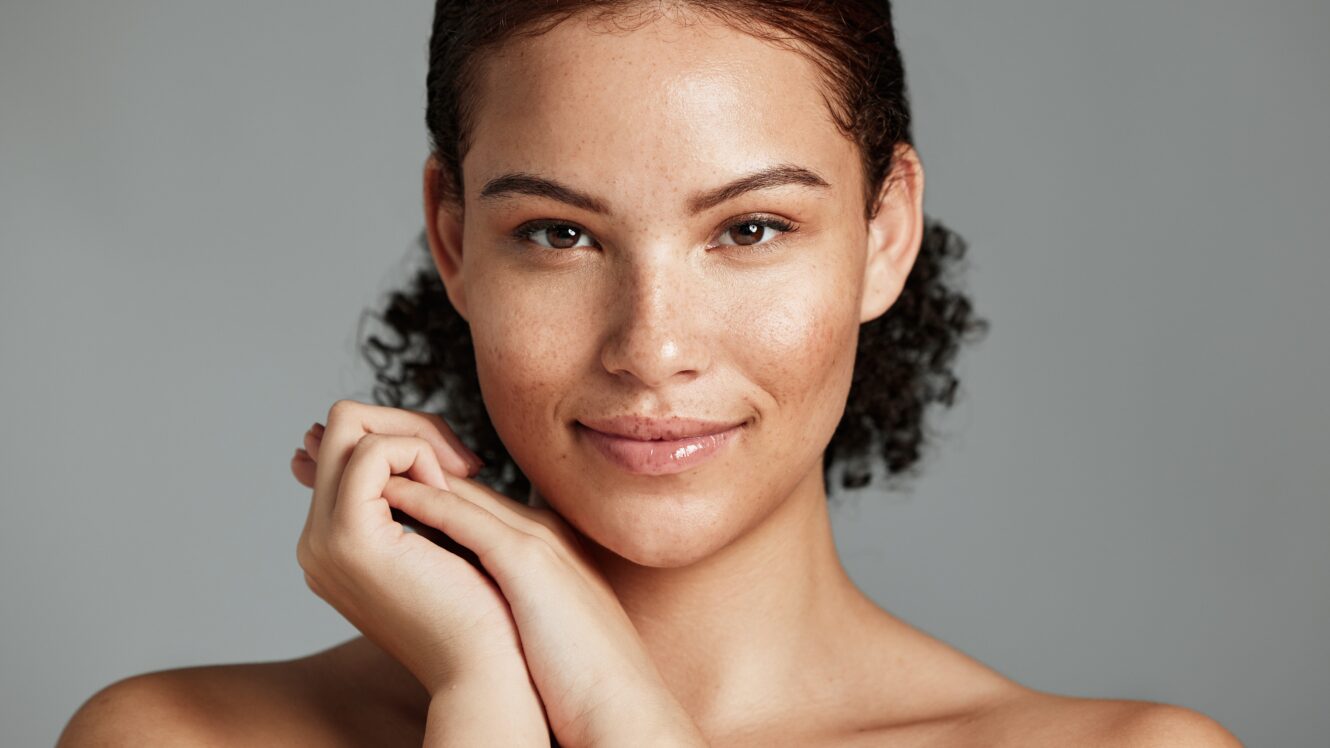
- HALO is the world’s first hybrid fractional laser, delivering ablative and non-ablative wavelengths simultaneously for deeper correction with less downtime than fully ablative resurfacing.
- Skin Rejuvenation Clinic in Edina ranks in the top 2% of HALO providers worldwide, with extensive experience customizing treatment for each patient’s skin type and goals.
- HALO effectively addresses sunspots, fine lines, acne scars, enlarged pores, and uneven texture, often in a single annual treatment session.
- Pairing HALO with PRF (platelet-rich fibrin) accelerates healing, reduces downtime, and enhances the overall collagen response.
- Most patients experience the signature HALO glow within 24 to 48 hours; full results develop over four to six weeks as collagen remodeling continues.
What Makes HALO Different From Other Laser Treatments?
HALO laser treatment stands apart because it is the only device that delivers two distinct laser wavelengths in a single pass: a 2940 nm ablative wavelength that removes the outermost damaged skin and a 1470 nm non-ablative wavelength that penetrates deeper to stimulate collagen without removing tissue. This simultaneous dual-action approach, developed by Sciton, produces the surface renewal of ablative resurfacing alongside the structural remodeling of non-ablative technology. The result is a level of correction that would otherwise require separate procedures, completed in one session with a recovery period shorter than traditional ablative lasers.
At Skin Rejuvenation Clinic, providers rank in the top 2% of HALO users worldwide. That distinction is earned through treatment volume and an exacting approach to customizing energy levels, depth, and coverage based on each patient’s Fitzpatrick skin type, degree of sun damage, and specific concerns. Parameters are not templated; they are calibrated at each visit.
Which Skin Concerns Does HALO Target Most Effectively?
HALO is one of the most versatile resurfacing options available because it addresses the skin at multiple depths. The ablative component clears surface-level pigment, including sunspots and age spots, while simultaneously improving rough texture and enlarged pores. The non-ablative wavelength drives collagen production in the deeper dermis, which gradually softens fine lines, reduces the appearance of acne scars, and lifts the overall quality and luminosity of the skin.
For patients seeking enhanced recovery outcomes, PRF (platelet-rich fibrin) treatment is applied immediately after the HALO session. PRF delivers concentrated growth factors directly into the treated skin, accelerating cellular repair, reducing post-treatment redness, and amplifying the collagen response. The combination is particularly beneficial for patients with active acne scarring or those who want to minimize visible downtime.
What Can You Expect During and After the Procedure?
A topical numbing cream is applied 45 to 60 minutes before treatment. During the session, patients typically feel warmth and mild tingling. The procedure takes under one hour for a full-face treatment. Immediately after, the skin appears flushed and slightly swollen, which is normal and expected.
Over the following two to five days, the skin bronzes and develops MENDS: microscopic epidermal necrotic debris that represent the treated tissue working its way to the surface before shedding. This is a normal and necessary part of the renewal process. The HALO glow, a noticeable radiance and clarity, typically emerges within 24 to 48 hours of MENDS shedding. Patients should use a gentle cleanser, apply mineral SPF every morning, avoid picking at the shedding skin, and hold off on makeup for the first 48 hours.
Patients who are not ready for HALO’s recovery period may be better suited for MOXI laser, a non-ablative option with one to two days of downtime, or BBL HERO for patients whose primary concern is vascular redness or brown spots without texture irregularity. For patients focused on skin laxity and collagen density, Genius RF Microneedling may be a more targeted approach, either as a standalone treatment or staged with HALO.
Frequently Asked Questions About HALO Laser Treatment
What is HALO laser treatment?
HALO is a hybrid fractional laser by Sciton that delivers two wavelengths simultaneously: an ablative 2940 nm wavelength and a non-ablative 1470 nm wavelength. This dual-wavelength approach removes damaged surface skin while also stimulating deep collagen remodeling, producing more comprehensive results than either laser type alone.
What skin concerns does HALO treat?
HALO treats sunspots and age spots, fine lines and wrinkles, acne scars, enlarged pores, uneven skin tone and texture, dull or sallow complexion, and early signs of photoaging. It is one of the most versatile resurfacing treatments available for addressing multiple skin concerns in a single session.
How many HALO treatments will I need?
Most patients achieve their goals with one to two HALO treatments per year. The exact number depends on your skin condition, the level of correction desired, and the treatment settings selected by your provider. Patients with significant sun damage or acne scarring may benefit from two sessions spaced several months apart.
What does a HALO treatment feel like?
A topical numbing cream is applied for 45 to 60 minutes before treatment to minimize discomfort. During the procedure, most patients feel warmth and mild tingling as the laser passes over the skin. The treatment itself takes approximately 30 to 45 minutes depending on the area treated. Most patients report the experience as manageable and well-tolerated.
What is the downtime after HALO laser?
Expect two to five days of social downtime. The skin will appear bronzed, feel rough, and develop MENDS (microscopic epidermal necrotic debris) that gradually shed over two to five days. Most patients are comfortable returning to work within three to five days. Redness may persist for up to a week.
When will I see the HALO glow?
The signature HALO glow typically appears within 24 to 48 hours after treatment as MENDS begin to shed. Full results, including texture smoothing, pore reduction, and pigment improvement, develop progressively over four to six weeks as collagen remodeling continues. Results continue to improve for up to three months.
What aftercare is required after HALO laser?
Use a gentle, fragrance-free cleanser and apply a mineral broad-spectrum SPF 30 or higher every morning. Avoid picking or rubbing the shedding skin. Do not apply makeup for the first 48 hours. Avoid active skincare ingredients such as retinol and acids until the skin has fully healed. Stay out of direct sunlight and use sun-protective clothing.
Can HALO be combined with other treatments?
Yes. HALO pairs exceptionally well with PRF (platelet-rich fibrin) treatment. PRF is applied immediately after the laser session to accelerate healing, reduce redness, and enhance collagen production. The combination results in faster recovery and improved outcomes compared to HALO alone. HALO can also be staged with BBL HERO or Genius RF Microneedling at separate appointments.
Is HALO safe for all skin types?
HALO is generally well-suited for Fitzpatrick skin types I through IV. Patients with deeper skin tones (Fitzpatrick V to VI) require an individualized assessment, as ablative resurfacing carries a higher risk of post-inflammatory hyperpigmentation in these skin types. Your provider will evaluate your skin type and recommend the safest and most effective approach.
How does HALO differ from MOXI laser?
MOXI is a non-ablative 1927 nm laser that delivers lighter resurfacing with minimal downtime, typically one to two days. HALO combines ablative and non-ablative wavelengths for deeper correction with more dramatic results and slightly longer downtime. MOXI is ideal for maintenance and early-stage concerns, while HALO is the better choice when targeting moderate to significant sun damage, acne scarring, or pronounced texture issues.
What makes Skin Rejuvenation Clinic a top HALO provider?
Skin Rejuvenation Clinic in Edina, MN ranks in the top 2% of HALO providers worldwide. This distinction reflects treatment volume, provider training, and patient outcomes. The clinical team is experienced in customizing HALO treatment parameters for each patient’s unique skin concerns and goals, including pairing HALO with complementary treatments such as PRF for optimal results.
How do I know if HALO is right for me?
HALO is an excellent choice for patients with fine lines, sun damage, acne scars, enlarged pores, or uneven skin tone who can accommodate two to five days of downtime. Patients seeking lighter maintenance with minimal downtime may be better served by MOXI. Those with primarily vascular concerns or redness may benefit more from BBL HERO. A consultation with a provider at Skin Rejuvenation Clinic will identify the best treatment path for your goals.
Jordan Rachel Kopfer, PA-C
Cosmetic Injector, Injector Lead | Skin Rejuvenation Clinic
Jordan Rachel Kopfer, PA-C is a board-certified Physician Assistant and Injector Lead at Skin Rejuvenation Clinic in Edina, MN, specializing in cosmetic injectables, laser treatments, and advanced skin rejuvenation. She combines technical precision with a patient-first approach to help clients achieve natural, lasting results.
References
- Manstein D, Herron GS, Sink RK, Tanner H, Anderson RR. Fractional photothermolysis: a new concept for cutaneous remodeling using microscopic patterns of thermal injury. Lasers in Surgery and Medicine. 2004;34(5):426-438. doi:10.1002/lsm.20048
- Pozner JN, DiBernardo BE. Laser resurfacing: full field and fractional. Clinics in Plastic Surgery. 2016;43(3):515-525. doi:10.1016/j.cps.2016.03.007
- Chapas AM, Brightman L, Sukal S, et al. Successful treatment of acneiform scarring with CO2 ablative fractional resurfacing. Lasers in Surgery and Medicine. 2008;40(6):381-386. doi:10.1002/lsm.20651