The right skin rejuvenation treatment depends on three variables: your primary concern, your skin type, and your age and recovery tolerance. Patients in their twenties and early thirties benefit most from prevention-focused treatments like Moxi, HydraFacial, and BBL Forever Young. Patients thirty-five and older with visible damage need correction-focused treatments like Halo, RF microneedling, or BBL Hero. Skin tone, prior treatment history, and life stage all narrow the right answer further.
Short version: No single treatment fits everyone. The match between your specific concern and the device is what determines your result.
Walk into any cosmetic clinic in the Twin Cities and you will hear at least a dozen treatment names within the first ten minutes. Halo, Moxi, BBL, HydraFacial, microneedling, RF microneedling, chemical peels, fillers, neuromodulators, and the list keeps growing. The hard part is not the menu. It is matching your specific skin to the device that will actually deliver the result you want. This guide gives you the same framework licensed clinicians use to make that call, organized by skin type, age, and primary concern, so you can walk into your consultation with a much shorter list.
The Three Variables That Decide the Right Treatment
Three factors do most of the work in narrowing the right plan. Your primary concern is first, because every laser, peel, and injectable is built to solve a specific problem. Trying to use a tone-and-glow tool to correct deep acne scars is the most common mistake patients make on their own.
Your skin type is second. The Fitzpatrick scale runs from I (very fair, always burns) through VI (deeply pigmented, never burns), and certain devices carry meaningfully higher risk on the darker end of that scale. RF-based and non-ablative treatments are usually safer for richer skin tones than traditional ablative resurfacing.
Your age and recovery tolerance is third. A twenty-eight-year-old planning a wedding next month does not need the same treatment as a fifty-two-year-old correcting two decades of sun damage. Both deserve a real result. The path is just very different.
The Right Treatment by Age
In Your 20s
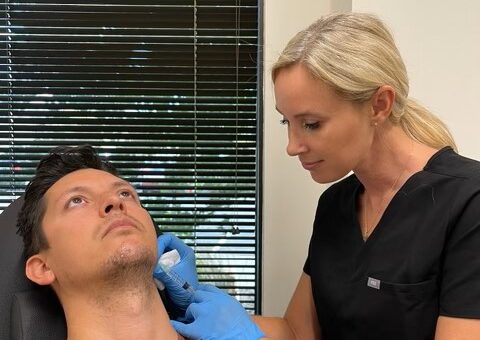
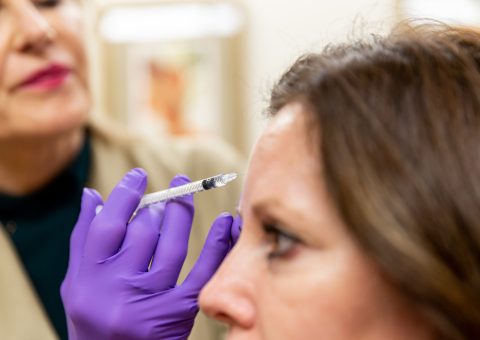
The goal in your twenties is prevention and maintenance. Skin is still producing collagen at full strength, so the right treatments protect that capital rather than spending it. HydraFacial monthly, Moxi laser two or three times a year, and a clinical-grade skincare routine anchored by sunscreen and a retinoid is a complete plan for most twenties patients. Preventative neuromodulator dosing in expression areas like the forehead and between the brows can also be worth the spend if you already see lines forming with movement.
In Your 30s
The thirties are the inflection decade. Collagen production slows around age twenty-five, and by the early thirties you start to see the first measurable consequences: fine lines, mild laxity, the beginning of pigmentation from sun exposure. The right tools shift toward early correction. BBL Forever Young photofacials annually, Moxi quarterly, and the addition of microneedling or RF microneedling for texture all work well here. Neuromodulators and a small amount of dermal filler in the lips, cheeks, or under-eyes typically join the plan in this decade.
In Your 40s
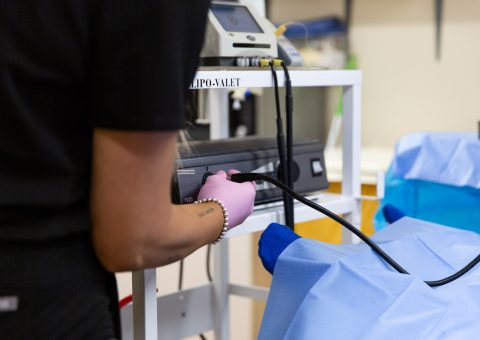
By the forties, prevention alone is no longer enough. Visible damage from sun, environment, and time needs active correction. Halo laser is often the headline treatment in this decade because it can erase ten years of sun damage in one or two sessions. RF microneedling for laxity, BBL Hero for diffuse pigmentation, and a more strategic use of fillers to restore volume that has begun to deflate complete the plan.
In Your 50s and Beyond
The fifties and beyond are about meaningful correction and skin quality. Halo remains the cornerstone for surface damage. RF microneedling addresses laxity that has progressed beyond what BBL or Moxi can solve. For patients ready for more, combinations of energy-based skin tightening and strategic volume restoration produce results that look genuinely refreshed without crossing into overdone.
The Right Treatment by Skin Concern
The Right Treatment by Skin Type
Skin tone matters more than most patients realize when choosing a treatment. For Fitzpatrick I and II (very fair to fair skin), almost every device is on the table, and the decision is driven by concern alone. For Fitzpatrick III and IV (medium to olive), traditional ablative lasers carry a higher risk of post-inflammatory hyperpigmentation and require strict sun avoidance for several weeks after treatment.
For Fitzpatrick V and VI (richer skin tones), the safer toolkit is RF microneedling, Moxi (which is safe and effective for all skin types), and conservative chemical peels. Halo and BBL can both be used on darker skin types in experienced hands, but the settings, pre-treatment, and post-care protocols are meaningfully different from what works on lighter skin.
When to Combine Treatments
Most strong skin plans use more than one tool. A common protocol layers BBL Hero for tone, Halo or RF microneedling for texture and depth, and Moxi or HydraFacial for ongoing maintenance between heavier sessions. Neuromodulators address dynamic lines that no laser will solve, and fillers restore volume that no resurfacing tool can replace.
The order matters. Generally, address tone and pigmentation first so that subsequent texture work has a clean canvas to build on. Treat dynamic lines with neuromodulators in parallel since they take eight to fourteen days to reach full effect. Save filler for last so you are placing volume on already-corrected skin, which usually means you need less of it.
Why a Real Consultation Beats an Online Quiz
Online quizzes and AI-driven recommendations can get you in the right neighborhood, but they cannot examine your skin under standardized lighting, measure your sun damage with imaging, or feel the laxity of your tissue. Two patients with the same age and the same surface concerns often need very different treatments because of factors only an in-person assessment will catch.
If you want a real plan instead of a guess, our team walks through your full skin history, current concerns, and life timeline to build a personalized treatment roadmap ranked by impact and budget. We will also show you before-and-after photos of patients with similar profiles so you can see realistic results before committing to anything.
How to Decide What to Treat First
If you are starting from zero with multiple concerns, prioritize in this order: tone and pigmentation, then texture, then laxity, then volume. Tone is the easiest concern to correct and produces the largest visible improvement per dollar spent, which makes it the right starting point for most patients. Texture and laxity are slower wins but provide foundational improvement that lasts for years. Volume restoration is best done last, on already-improved skin, so you can place the right amount in the right spots.
Whatever decade you are in, the highest-leverage move is starting earlier than you think you need to. Maintenance is always less expensive than correction, both in time and in money.
Frequently Asked Questions: Skin Rejuvenation Treatments
What is the best skin rejuvenation treatment?
There is no single best skin rejuvenation treatment. The right choice depends on your primary concern, skin type, and age: prevention-focused options like Moxi and HydraFacial suit younger skin, while correction-focused treatments like Halo, BBL Hero, and RF microneedling suit visible damage.
What skin rejuvenation treatment is best for my age?
In your twenties, focus on prevention with HydraFacial and Moxi. In your thirties, add BBL photofacials and microneedling. From your forties on, correction tools like Halo laser and RF microneedling deliver the most visible change.
Which skin rejuvenation treatments are safe for darker skin tones?
RF microneedling, Moxi, and conservative chemical peels are the safest core options for Fitzpatrick V and VI skin. Halo and BBL can be used in experienced hands with adjusted settings and strict pre- and post-treatment protocols.
What should I treat first: pigmentation, texture, or volume?
Start with tone and pigmentation, then texture, then laxity, then volume. Correcting tone first gives later treatments a clean canvas and typically produces the largest visible improvement per dollar.
How often should I get skin rejuvenation treatments?
Maintenance treatments like HydraFacial run monthly and Moxi quarterly, while corrective treatments like Halo or BBL Hero are typically done once or twice a year. Your provider will build a calendar around your goals and recovery tolerance.
What is the difference between prevention and correction treatments?
Prevention treatments protect the collagen you still have and slow visible aging, while correction treatments rebuild what has already been lost or damaged. The younger you start prevention, the less correction you need later.
Do skin rejuvenation treatments hurt?
Most non-ablative treatments feel like warmth or light snapping and need no numbing. Deeper treatments like Halo and RF microneedling use topical numbing cream and are well tolerated by most patients.
Can different skin rejuvenation treatments be combined?
Yes, layered plans usually outperform single treatments. A common protocol combines BBL for tone, Halo or RF microneedling for texture, neuromodulators for dynamic lines, and filler placed last to restore volume.
How do I know which treatment my skin actually needs?
An in-person consultation with skin imaging is the most reliable way. Providers assess your concern, Fitzpatrick skin type, damage level, and timeline, then map each concern to the device built to solve it.
How much do skin rejuvenation treatments cost?
Costs range widely, from maintenance facials at a few hundred dollars to corrective laser packages in the low thousands. A consultation gives you an exact quote ranked by which treatments will produce the most visible improvement for your budget.
Jordan Rachel Kopfer, PA-C
Cosmetic Injector / Injector Lead | Skin Rejuvenation Clinic, Edina, MN
Jordan Rachel Kopfer is a board-certified Physician Assistant and lead cosmetic injector at Skin Rejuvenation Clinic in Edina, Minnesota. With extensive training in advanced aesthetic treatments, she specializes in individualized treatment planning, neuromodulators, dermal fillers, and non-surgical facial rejuvenation. Jordan is known for her precision, patient-first approach, and commitment to natural-looking outcomes that align with each patient’s goals.
References
- American Society for Dermatologic Surgery. Skin Rejuvenation and Resurfacing. asds.net
- American Academy of Dermatology. Skin Care and Aging Skin. aad.org
- Fitzpatrick TB. The Validity and Practicality of Sun-Reactive Skin Types I Through VI. Archives of Dermatology.