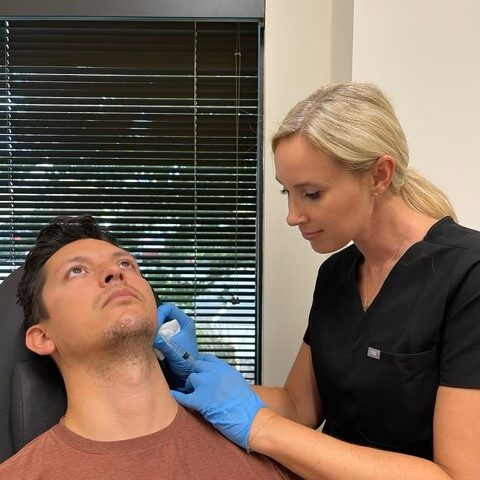
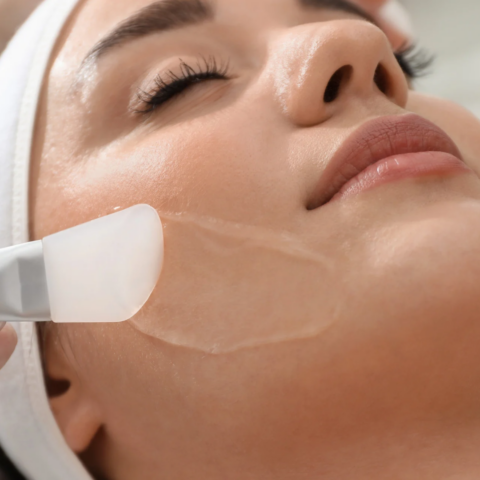
TL;DR: Laser hair removal for men at Skin Rejuvenation Clinic in Edina, MN, is a straightforward process that starts with a consultation and typically involves a series of sessions over several months. Common treatment areas for men include the back, chest, shoulders, neck, and face, with sessions spaced approximately four to eight weeks apart. For…
Read Blog
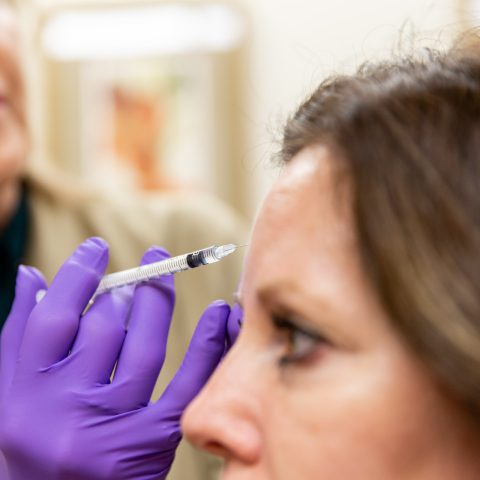
Quick Answer Botox and Dysport both last an average of 3 to 4 months. Dysport kicks in within 2 to 3 days, while Botox takes 5 to 7 days to fully show. The real duration of your results depends far more on your metabolism, muscle strength, dosage, and injector than on which product you chose.…
Read Blog
Quick Answer CoolSculpting Elite and Liquid Lipo both permanently destroy fat cells without surgery, but they work very differently. CoolSculpting Elite freezes fat through the skin with applicators and is best for larger, pinchable areas like flanks, belly, and thighs. Liquid Lipo uses an injectable solution (Kybella or similar) to dissolve fat in smaller, more…
Read Blog
If you’re searching for a med spa near Minneapolis with experienced injectors, you’re probably looking for more than a convenient location. When it comes to Botox, dermal filler, and other injectable treatments, experience, training, facial anatomy, and an understanding of natural-looking results all matter. At Skin Rejuvenation Clinic in Edina, Minnesota, every one of our injectors is…
Read Blog
If your skin looks dull, uneven, sun-damaged, or congested, you may be wondering: What is the best chemical peel for brighter, smoother-looking skin? For patients searching for a chemical peel in Edina, MN, the VI Peel is a popular option for improving the overall appearance and texture of the skin. At Skin Rejuvenation Clinic in Edina, VI Peel treatments are…
Read Blog
If you’re considering dermal filler but don’t want to look “overfilled,” choosing the right provider matters. Natural-looking filler is less about adding as much volume as possible and more about understanding facial anatomy, proportions, movement, and your individual aesthetic goals. For patients looking for natural-looking dermal filler in Edina, MN, Skin Rejuvenation Clinic offers personalized injectable treatments designed to restore volume, enhance facial contours, and maintain balanced facial proportions. Located…
Read Blog
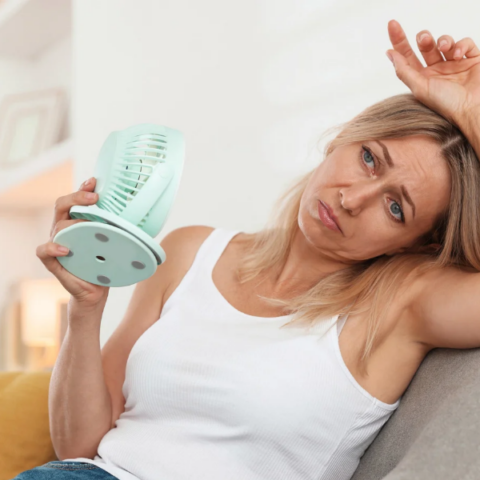
Quick Answer Hormone pellet therapy places custom-compounded bioidentical hormone pellets, each about the size of a grain of rice, just beneath the skin, where they release hormones steadily for 3 to 6 months to ease menopause symptoms like hot flashes, night sweats, poor sleep, brain fog, and low libido. If you are searching for hormone…
Read Blog
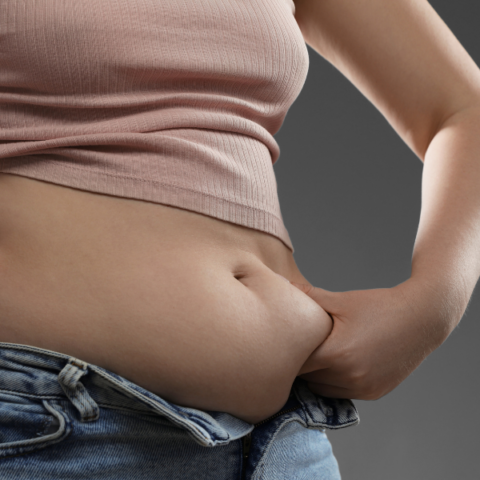
If you are searching for GLP-1 weight loss in Minneapolis or the Twin Cities, SRC offers personalized medical weight-loss programs designed to help you reach your goals with the guidance of experienced providers. Our programs may include popular GLP-1-based medications used to support weight management. These medications work with the body’s natural appetite and metabolic pathways…
Read Blog
TL;DR: The diVa Laser is a non-surgical, hybrid fractional laser treatment from Sciton designed for intimate wellness. At Skin Rejuvenation Clinic in Edina, MN, diVa Laser is offered for patients interested in addressing vaginal changes associated with childbirth, aging, and menopause, including concerns related to tissue laxity, dryness, sensation, and urinary leakage. For many patients,…
Read Blog
Quick Answer Switching your weight management care to Skin Rejuvenation Clinic starts with a consultation that reviews your medical history, current plan, progress, lifestyle, and goals before your provider builds the next phase of care. If you are searching for a weight loss clinic near me in Edina, Minneapolis, or Bloomington, SRC offers a medically…
Read Blog
TL;DR: diVa Laser and Morpheus8 V are two different technologies for non-surgical vaginal rejuvenation. diVa uses hybrid fractional laser technology, while Morpheus8 V uses radiofrequency energy delivered through microneedling. Skin Rejuvenation Clinic in Edina, MN, offers diVa Laser as part of its vaginal wellness menu. Non-surgical vaginal rejuvenation is a common topic during intimate wellness…
Read Blog
TL;DR: Most patients need two to four BBL Hero sessions, spaced three to four weeks apart, to see meaningful improvement, with three sessions serving as a common starting plan. Mild pigmentation may improve after one treatment, while redness, diffuse sun damage, and multiple concerns often require additional sessions. At Skin Rejuvenation Clinic in Edina, MN, every treatment plan is personalized to…
Read Blog