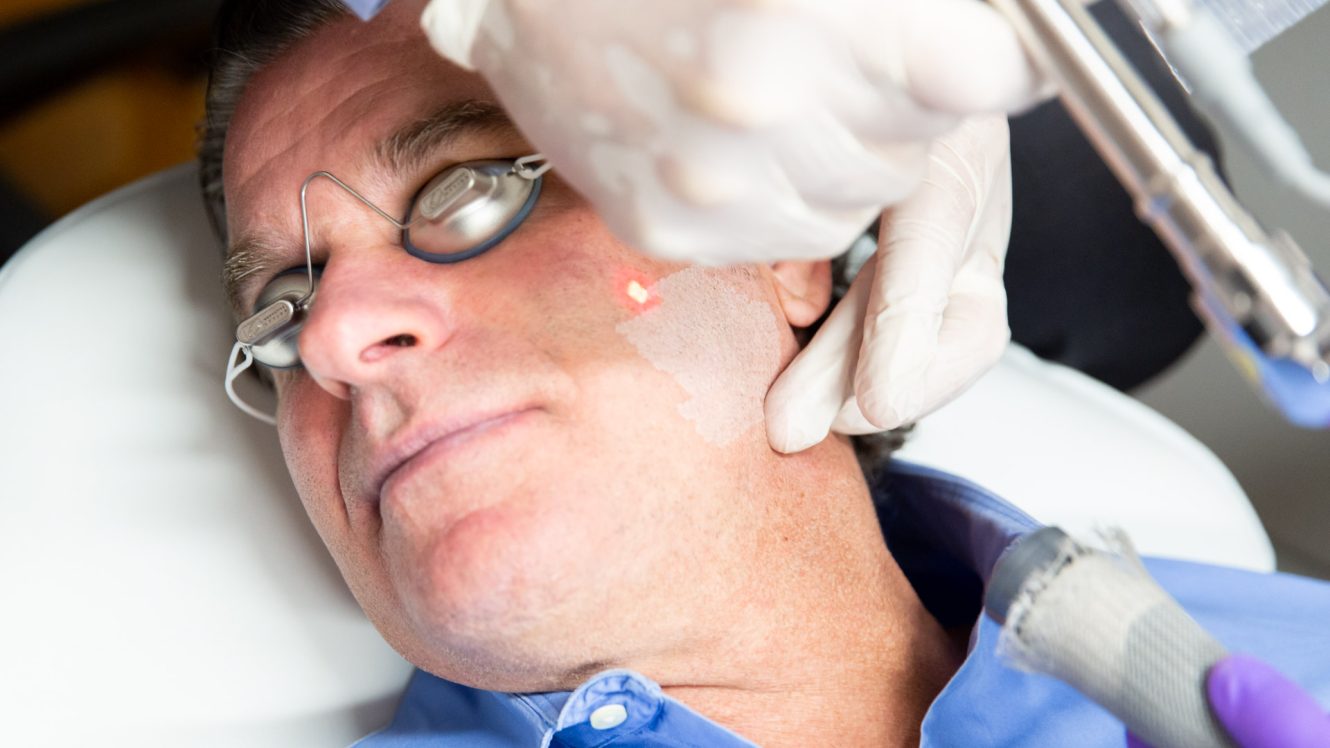
- Laser skin resurfacing uses focused light energy to stimulate collagen and elastin, improving wrinkles, texture, tone, and pigmentation from the inside out.
- Ablative lasers remove surface skin cells for more dramatic results; non-ablative lasers heat deeper tissue without wounding, requiring no downtime but more sessions.
- Skin Rejuvenation Clinic near Minneapolis offers four laser options — MOXI, BBL HERO, HALO, and ProFractional — each suited to different skin concerns and lifestyles.
- Good candidates include adults with mild-to-moderate signs of aging, sun damage, rosacea, uneven tone, or acne scarring who are not currently pregnant or on certain medications.
- Choosing a clinic with up-to-date laser technology, trained providers, and verified patient reviews is the single most important factor in safe, effective outcomes.
What Is Laser Skin Resurfacing?
Laser skin resurfacing is a medical aesthetic treatment that uses concentrated beams of light to penetrate the skin’s deeper layers, generate controlled heat in target tissue, and trigger the body’s natural repair response. The result is accelerated production of collagen and elastin — the structural proteins responsible for firm, smooth, youthful-looking skin. As the skin heals, surface irregularities are replaced by new, healthier tissue.
Unlike topical skincare products that work only at the surface, laser energy reaches the dermis where meaningful structural change occurs. This makes laser resurfacing one of the most effective tools available for addressing concerns that creams and serums cannot meaningfully improve. At Skin Rejuvenation Clinic in Edina, MN — serving the greater Minneapolis area — providers use several laser and light platforms, each selected for a specific patient profile and set of goals.
What Can Laser Skin Resurfacing Treat?
Laser resurfacing addresses a broad range of skin concerns at the structural level. The most common conditions treated include deep wrinkles, fine lines, skin laxity, uneven tone and texture, sun damage and age spots, enlarged pores, stretch marks, rosacea, port-wine stains, and unwanted pigmentation. Because laser energy stimulates new collagen regardless of the specific concern, many patients see improvements across multiple issues simultaneously from a single treatment series.
The versatility of modern laser platforms means treatment can be customized to the depth, intensity, and wavelength that best match your skin’s needs. A patient dealing primarily with sun damage and early redness may be an ideal candidate for BBL HERO, while someone with deep textural scarring may benefit most from ProFractional or HALO.
What Is the Difference Between Ablative and Non-Ablative Lasers?
Ablative lasers remove the outermost layer of skin cells, creating controlled micro-wounds that prompt a robust healing and remodeling response. Think of it like a targeted workout for the skin: the controlled stress drives the body to rebuild stronger, with more collagen and smoother surface architecture. Results tend to be more significant per session, but there is a recovery period of several days to a week.
Non-ablative lasers deliver heat into the dermis without removing the surface layer. The skin remains intact, so there is little to no downtime, but the stimulus for remodeling is more gradual. Non-ablative treatments are ideal for patients with mild concerns, active schedules, or those who prefer a maintenance approach. Multiple sessions are typically needed to achieve equivalent results. Hybrid lasers like HALO combine both mechanisms in a single pass, offering a middle-ground outcome with moderate recovery.
Which Laser Treatment Is Right for You?
MOXI is a gentle non-ablative laser safe for all skin types, including darker complexions. Sessions take about 30 minutes with no downtime, and a standard protocol involves 3 treatments spaced roughly one month apart. It is an excellent entry-level laser for patients new to resurfacing or focused on prevention and maintenance.
BBL HERO is a broadband light device that treats the face, neck, hands, arms, and chest with fast coverage and minimal recovery. Three sessions spaced 2 to 4 weeks apart address pigmentation, vascular redness, and overall tone.
HALO is a game changer for patients who want ablative-level results without committing to extended downtime. By combining ablative and non-ablative wavelengths, it delivers simultaneous surface renewal and deep collagen remodeling. Expect 4 to 7 days of social downtime and a numbing cream prior to treatment.
ProFractional therapy creates precise fractional ablative channels at controlled depths, making it highly customizable for patients with acne scars, deep lines, or significant textural irregularities. It is among the most targeted resurfacing options available.
Who Is a Good Candidate for Laser Resurfacing Near Minneapolis?
Good candidates are adults with mild-to-moderate signs of aging, persistent sun damage, rosacea, port-wine stains, acne scarring, or uneven texture who are in generally good health. Candidates should not be pregnant, should not have active skin infections in the treatment area, and should discuss any current medications — particularly photosensitizing drugs or isotretinoin — with their provider before scheduling.
Selecting the right clinic is as important as selecting the right treatment. Look for a practice that maintains up-to-date laser equipment, employs providers with verified training in laser physics and skin anatomy, and can show documented patient results. Skin Rejuvenation Clinic serves the Minneapolis area from its Edina location, offering consultations to match each patient with the technology and protocol most likely to deliver safe, lasting improvement.
Frequently Asked Questions About Laser Skin Resurfacing Near Minneapolis
Does laser skin resurfacing hurt?
Most patients experience a warm, prickling sensation during treatment. Ablative procedures like HALO and ProFractional are performed with a prescription-strength numbing cream applied 30 to 60 minutes before the session, which significantly reduces discomfort. Non-ablative treatments like MOXI and BBL HERO typically feel like a quick snap of heat and require little to no numbing. Comfort levels vary by treatment type, area, and individual sensitivity, but most patients tolerate the procedures well.
How much downtime should I expect after laser skin resurfacing?
Downtime depends on the treatment. MOXI and BBL HERO involve minimal to no downtime — most patients return to normal activities the same day, with mild redness that fades within 24 hours. HALO, a hybrid ablative and non-ablative laser, typically involves 4 to 7 days of social downtime, including swelling, bronzing, and peeling as the skin renews. ProFractional therapy may involve 5 to 7 days of healing depending on the depth and density of treatment. Your provider will give you a personalized recovery timeline at your consultation.
How do I care for my skin after laser treatment?
Post-treatment care is essential for safe, optimal results. Keep the skin moisturized with a gentle, fragrance-free moisturizer recommended by your provider. Avoid picking or rubbing treated skin as it heals. Apply broad-spectrum SPF 30 or higher every morning and reapply throughout the day — sun protection is critical after any laser procedure. Avoid direct sun exposure for at least two weeks. Skip active ingredients like retinol, AHAs, and BHAs until your provider clears you. Attend any follow-up appointments scheduled to monitor your healing.
What is the difference between IPL and laser skin resurfacing?
IPL (Intense Pulsed Light), including BBL HERO, uses broad-spectrum light with multiple wavelengths to target pigment and vascular concerns near the skin’s surface. Laser resurfacing uses a focused, single-wavelength beam that penetrates deeper into the dermis to stimulate collagen remodeling and resurface the skin. IPL is excellent for sun damage, redness, and tone correction with little downtime. Laser resurfacing — whether ablative or non-ablative — provides more significant textural improvement and deeper structural changes. Both can be used in combination for comprehensive rejuvenation.
Is laser skin resurfacing safe for darker skin tones?
Laser safety for darker skin tones depends on the specific technology and wavelength used. Some lasers carry a higher risk of post-inflammatory hyperpigmentation (PIH) in Fitzpatrick skin types IV through VI. MOXI is specifically designed to be safe and effective across all skin types, including darker complexions, making it a popular option for patients who were previously considered poor laser candidates. A thorough consultation with a trained provider is essential to select the right treatment and settings for your skin type.
How many laser sessions will I need?
The number of sessions depends on the treatment and your skin goals. MOXI is typically performed in a series of 3 sessions spaced about one month apart. BBL HERO generally requires 3 sessions scheduled 2 to 4 weeks apart. HALO and ProFractional may deliver significant results in a single session, though some patients benefit from 2 to 3 treatments for more advanced concerns. Your provider will recommend a customized treatment plan based on your skin condition and the outcomes you want to achieve.
What should I expect during a laser skin resurfacing treatment?
Your appointment will begin with a skin assessment and cleansing of the treatment area. For ablative procedures, numbing cream is applied 30 to 60 minutes before the laser pass. During the treatment, the provider moves the laser handpiece across the skin in controlled passes. You may feel warmth, tingling, or mild snapping sensations. Treatment times range from about 30 minutes for MOXI to 60 to 90 minutes for full-face HALO or ProFractional. Immediately after, the skin may appear red, warm, and slightly swollen — similar to a moderate sunburn. Your provider will apply soothing post-treatment products and review your home care instructions.
Which is better: ablative or non-ablative laser?
Neither is universally better — the right choice depends on your skin concerns, available downtime, and treatment goals. Ablative lasers deliver more dramatic results in fewer sessions and are better suited for deeper wrinkles, significant texture issues, and more advanced skin damage. They do require several days of recovery. Non-ablative lasers are gentler, require no downtime, and work well for early signs of aging, pigmentation, and overall skin health maintenance. Many patients benefit from a combination approach, starting with non-ablative maintenance and adding ablative treatments for more intensive correction.
What is the difference between ProFractional and HALO?
Both are fractional ablative laser treatments that target columns of skin while leaving surrounding tissue intact to accelerate healing. HALO is a hybrid laser that combines ablative and non-ablative wavelengths in a single pass, simultaneously addressing surface texture and deeper dermal remodeling. ProFractional is a fully ablative fractional laser that creates precise channels at controlled depths, making it highly customizable for acne scars, deep lines, and significant textural irregularities. HALO tends to offer a balanced outcome with less aggressive downtime, while ProFractional allows more precise targeting of deeper structural concerns.
How much does laser skin resurfacing cost near Minneapolis?
Cost varies depending on the type of laser, the area treated, and the number of sessions needed. Non-ablative treatments like MOXI and BBL HERO are generally more affordable per session, while hybrid and ablative treatments like HALO and ProFractional represent a larger upfront investment that often produces results lasting one to several years. Skin Rejuvenation Clinic in Edina offers consultations where exact pricing is provided based on your personalized treatment plan. Many patients find that investing in a series of non-ablative treatments or a single ablative session yields long-term value compared to ongoing surface-level products.
When will I see results from laser skin resurfacing?
Initial improvements in tone and texture may be visible within 1 to 2 weeks as the skin heals and surface-level discoloration fades. The deeper benefit — collagen remodeling — continues for 3 to 6 months after treatment as new collagen and elastin develop in the dermis. Full results from an ablative or hybrid treatment like HALO typically become apparent within 3 months. With non-ablative treatments like MOXI, cumulative improvements build over a series of sessions and continue to develop in the months following your final treatment.
How do I maintain results after laser skin resurfacing?
Results can be maintained and extended with consistent sun protection, a medical-grade skincare routine, and periodic maintenance treatments. Daily broad-spectrum SPF use is the single most important step to preserve your investment. A provider-recommended regimen including antioxidants, retinoids, and growth factors supports ongoing collagen production. Many patients schedule annual or biannual touch-up sessions — often with MOXI or BBL HERO — to sustain their results and stay ahead of new sun damage and age-related changes.
Jordan Rachel Kopfer, PA-C
Cosmetic Injector, Injector Lead | Skin Rejuvenation Clinic
Jordan Rachel Kopfer, PA-C is a board-certified Physician Assistant and Injector Lead at Skin Rejuvenation Clinic in Edina, MN, specializing in cosmetic injectables, laser treatments, and advanced skin rejuvenation. She combines technical precision with a patient-first approach to help clients achieve natural, lasting results.
References
- Manstein D, Herron GS, Sink RK, Tanner H, Anderson RR. Fractional photothermolysis: a new concept for cutaneous remodeling using microscopic patterns of thermal injury. Lasers Surg Med. 2004;34(5):426-438. doi:10.1002/lsm.20048
- Bae MI, Kim BJ, Kim MN, Kim CW. Fractional CO2 laser versus combined treatment of fractional CO2 laser and fractional radiofrequency for skin rejuvenation. J Cosmet Laser Ther. 2019;21(7-8):383-388. doi:10.1080/14764172.2019.1575374
- Taub AF, Garretson CB. Treatment of acne scars of skin types II to V by sublative fractional bipolar radiofrequency and bipolar radiofrequency combined with diode laser. J Clin Aesthet Dermatol. 2011;4(10):18-27.